


Pimping in Media Studies: A Deep Dive into Pimp Culture in Media
- hoodboxoffice
- May 25
- 4 min read

You’ve probably seen it before—those flashy suits, gold chains, and swagger that scream "pimp." But what’s really going on behind that image? How has pimp culture been portrayed in media, and why does it keep popping up? Let’s break it down. This isn’t just about glitz and glam; it’s about history, power, and how society views a controversial lifestyle.
Pimping in Media Studies: What’s the Deal?
You might wonder, why does pimp culture get so much airtime? Movies, music videos, TV shows—they all love to throw in that pimp character. But it’s not just for style points. Pimping in media studies reveals a complex web of stereotypes, glamorization, and sometimes harsh realities.
Think about it: the pimp is often shown as a powerful, almost untouchable figure. But is that the whole story? Media tends to focus on the flashy exterior—the suits, the cars, the women—while ignoring the darker side of exploitation and control. This selective portrayal shapes how you and others perceive pimp culture.
Here’s what you need to know:
Stereotypes dominate: The pimp is often a caricature, not a real person.
Glamorization vs. reality: Media glamorizes the lifestyle but rarely shows the consequences.
Cultural impact: These portrayals influence public opinion and sometimes even policy.
If you want to understand pimp culture, you have to look beyond the surface. That’s where pimp culture media studies come in—they analyze how these images affect society and individuals.

The Evolution of Pimp Culture in Media
How did pimp culture become such a staple in media? It didn’t happen overnight. The roots go back decades, evolving alongside changes in music, film, and social attitudes.
Back in the 1970s, blaxploitation films like Super Fly and The Mack introduced pimp characters as anti-heroes—cool, confident, and defiant. These movies gave a voice to marginalized communities but also cemented certain stereotypes.
Fast forward to today, and you see pimp culture in hip-hop videos, reality TV, and even fashion. The image has shifted from underground to mainstream, but the core themes remain:
Power and control
Wealth and status
Sexual dominance
This evolution reflects broader cultural shifts but also raises questions. Are these portrayals empowering or exploitative? Do they challenge stereotypes or reinforce them? Media studies help you unpack these layers.
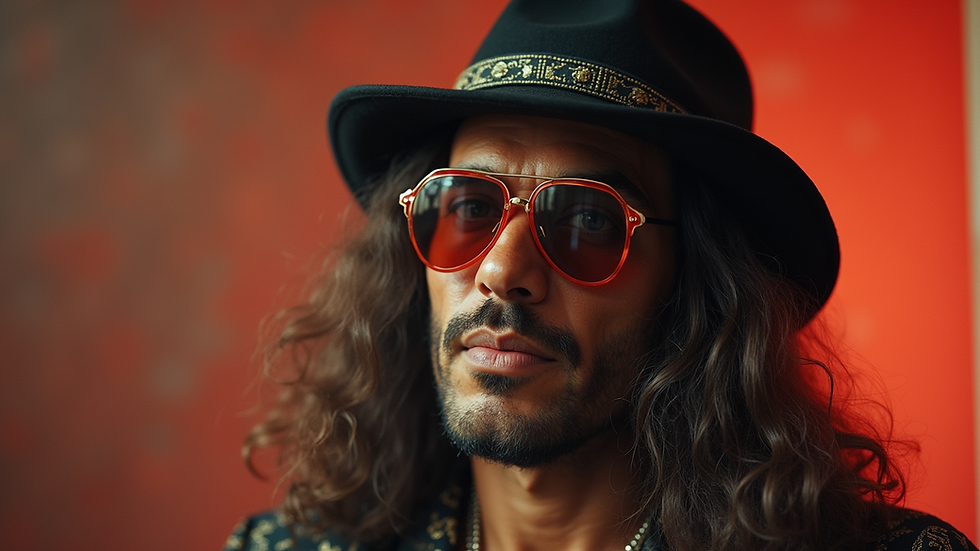
What is an Example of Pimping?
You might ask, what exactly counts as pimping? It’s more than just the flashy clothes and attitude. Pimping involves controlling and profiting from others, often through manipulation or coercion.
In media, examples range from the obvious to the subtle:
Classic pimp characters: The guy who manages sex workers and flaunts his wealth.
Metaphorical pimping: When someone exploits others for personal gain, not necessarily in the sex trade.
Cultural references: Using pimp imagery to symbolize power or rebellion.
Take the movie American Pimp (1999), for instance. It’s a documentary that dives deep into the lives of real pimps, showing both the glamor and the grit. This kind of media gives you a more nuanced view, beyond the stereotypes.
Understanding these examples helps you see how pimp culture is portrayed and why it matters. It’s not just entertainment—it’s a reflection of social dynamics and power structures.
Why Does Pimp Culture Persist in Media?
You might be wondering, why does pimp culture keep showing up? What makes it so appealing to filmmakers, musicians, and audiences?
Here’s the deal:
It’s visually striking: The flashy style grabs attention.
It symbolizes power: Pimps represent control and dominance, themes that resonate widely.
It’s controversial: Controversy sells, and pimp culture is loaded with it.
It’s tied to music and urban culture: Hip-hop and rap have embraced pimp imagery as part of their storytelling.
But there’s a flip side. This persistence can also perpetuate harmful myths and normalize exploitation. That’s why critical media literacy is key. You need to ask:
What’s being left out of the story?
Who benefits from these portrayals?
How do these images affect real people’s lives?
By questioning these points, you become a smarter consumer of media and a more informed thinker about culture.
How to Approach Pimp Culture in Media Critically
So, you want to engage with pimp culture in media without falling for the hype? Here’s how to do it:
Look beyond the surface: Don’t just accept flashy images at face value.
Research the history: Understand where pimp culture comes from and how it’s evolved.
Consider the impact: Think about how these portrayals affect perceptions of gender, race, and power.
Seek diverse perspectives: Listen to voices from within the culture and those affected by it.
Question the glamorization: Ask why media often ignores the darker realities.
By following these steps, you can appreciate the complexity of pimp culture in media and avoid simplistic judgments.
Pimp culture in media is more than just a flashy aesthetic. It’s a window into social dynamics, power struggles, and cultural history. Whether you’re watching a movie, listening to a song, or scrolling through social media, keep these insights in mind. They’ll help you see the bigger picture and understand why this controversial culture keeps captivating audiences.
Dive deeper, question more, and stay curious. That’s how you truly get the story behind the shine.


Comments